
Analysis of gases emitted by batteries
Identify and quantify gaseous emissions from your batteries under normal or abusive conditions
The Emitech Group offers a comprehensive service for analysing gases emitted by batteries, modules or cells during functional, stress or ageing tests. This service can be provided as a standalone service or integrated into a programme of thermal, electrical or mechanical stress tests.
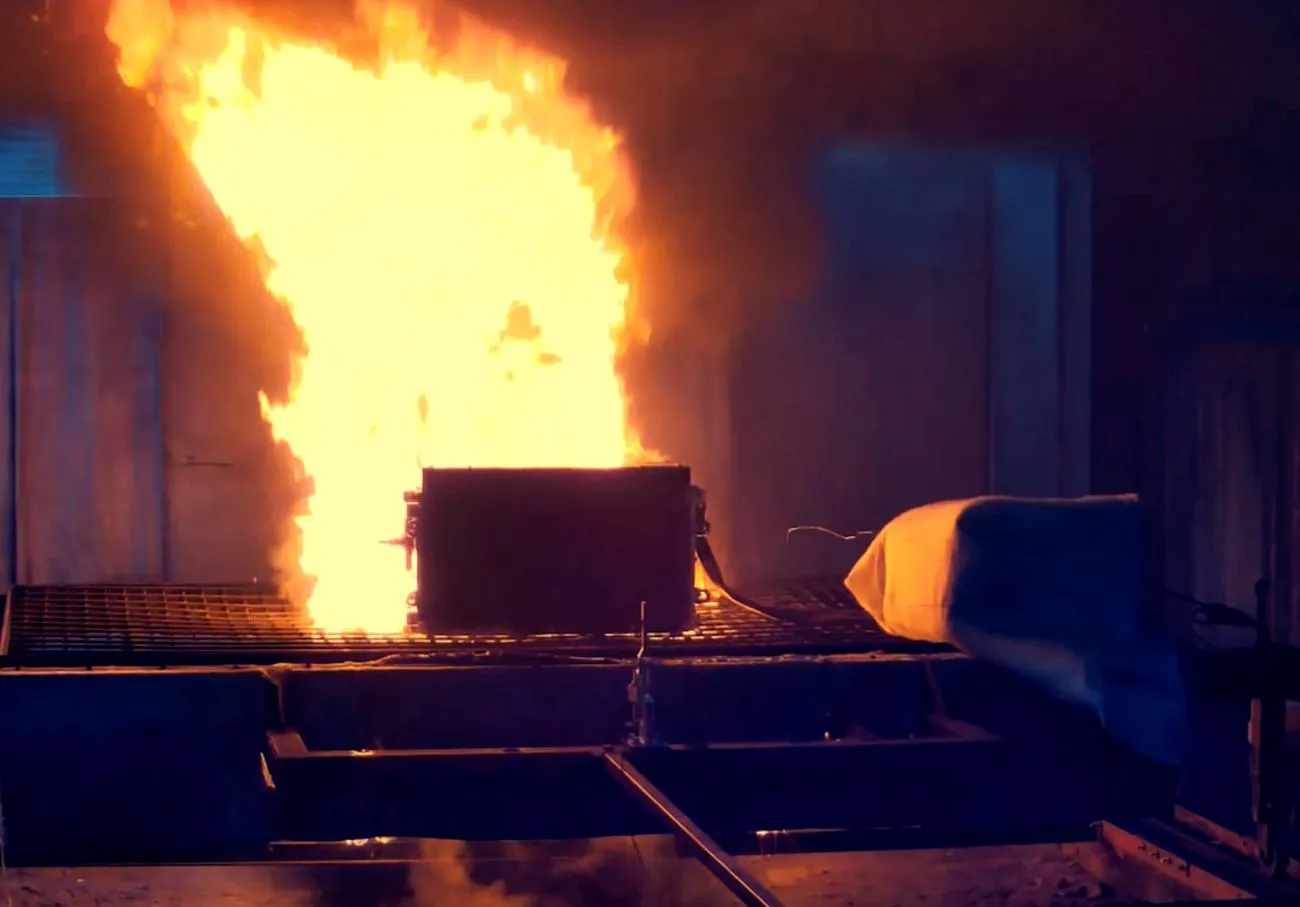
These analyses enable the nature, quantity and hazardousness of the gases released during normal operation, thermal runaway or electrical or mechanical failure to be characterised.

Why analyse the gases emitted by batteries?
Lithium-ion batteries or other technologies may release the following substances in the event of overheating, overcharging or damage:
- Flammable gases (H₂, CH₄, C₂H₆, C₂H₄…)
- Toxic compounds (CO, HF, HCN, volatile hydrocarbons)
- Corrosive agents (HF, SO₂, HBr, H₂S, NOx)
- Organic vapours with irritant or environmental effects
Analysing these emissions is essential for assessing health and environmental risks, characterising internal materials and components, planning ventilation, containment or neutralisation systems, and meeting regulatory requirements.
What are the applications?
Electric and hybrid vehicles
Stationary and industrial storage (buildings, covered car parks, tunnels)
Aerospace, naval and military applications
Battery fleets for urban, rail or agricultural transport
Emissions control during normal operation (air quality, confined spaces)
The analysis methodology used in the Emitech Group laboratories
Test conditions
- Functional tests, severe cycling, overload, short-circuit, thermal runaway.
- Tests in confined enclosures with automatic sampling system.
- Gas detection during emission and post-test.
Analytical resources available
- GC-MS (gas chromatography–mass spectrometry): identification and quantification of volatile organic compounds (VOCs)
- FTIR (Fourier-transform infrared spectroscopy): continuous measurement of CO, CO₂, HF, HCl, SO₂, NOx, HCN, NH₃, C₂H₄
- Colorimetric tubes: specific detection of HF, HCN, HBr, H₂S — used as a supplementary method for the most toxic compounds
- Electrochemical and optical sensors: real-time monitoring of H₂, CO, O₂, temperature, pressure
- Gravimetric analysis: quantification of the mass of emitted gases and material loss from the battery
Deliverables: Summaries and test results
- Emission curves by component and test phase
- Quantification in ppm, mg/m³ or g/cycle
- Time profile of gas emissions
- Comparison with regulatory or industry thresholds
Talk to our experts in battery gas analysis
What standards and benchmarks are covered?
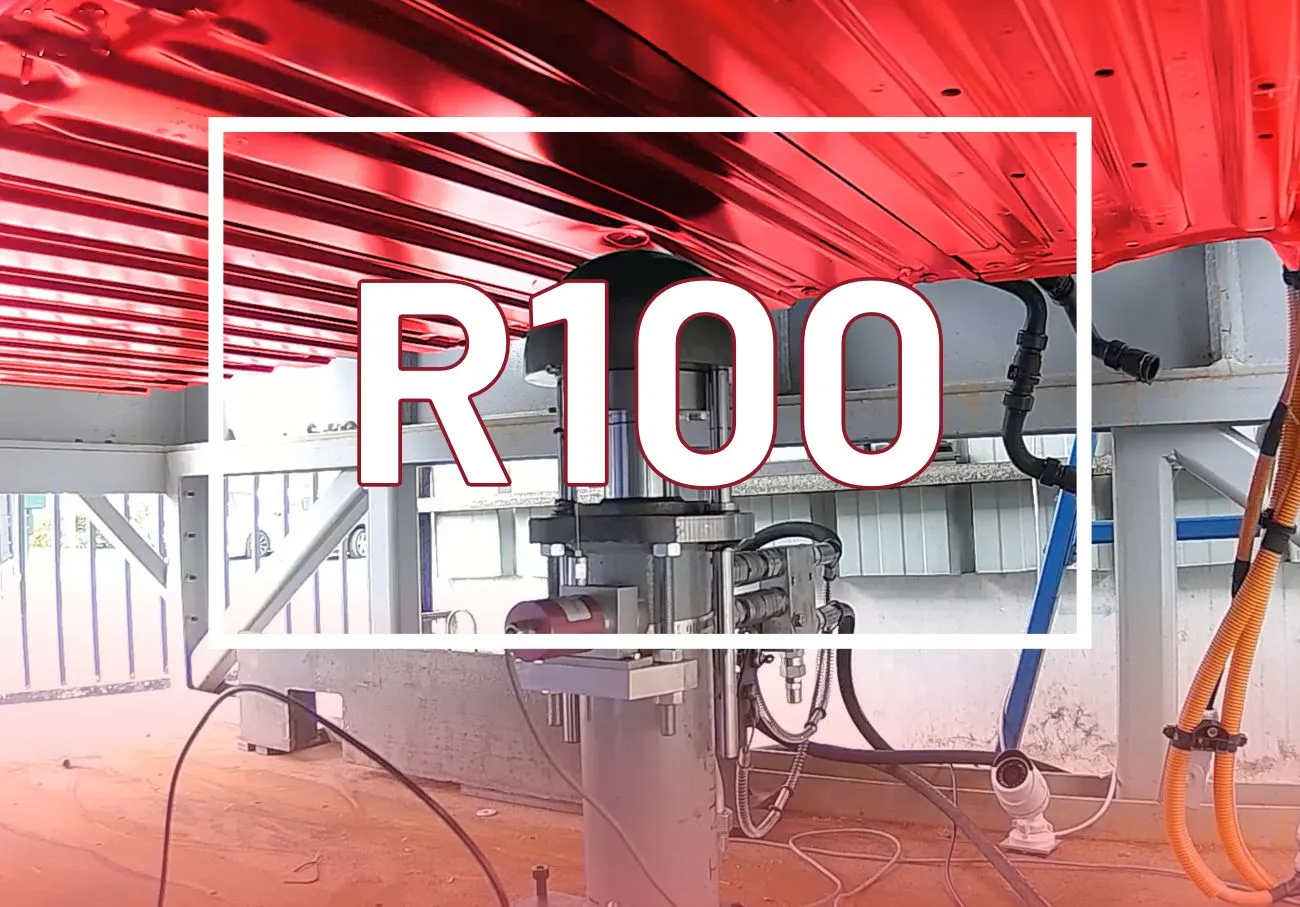
- ECE R100 Rev.3 — gestion des émissions gazeuses (batteries de traction)
- UL 2580 / UL 1973 / UL 1642 — sécurité incendie et toxicité
- UL 9540A — caractérisation des gaz dans les tests de propagation thermique
- IEC 62660-2 / IEC 62619 — comportement anormal et sécurité
- ISO 12405 / SAE J2464
- GB 38031 — exigences gaz pour l'homologation véhicules électriques (Chine)
- Directives REACH / CLP — classification et étiquetage des émanations chimiques
Why choose the Emitech Group for your abuse tests?
- A unique combination of testing and chemical analysis facilities within a single laboratory
- The ability to combine gas analysis with electrical, mechanical or thermal stress testing in a single test campaign
- Expertise in battery and materials safety, derived from the aerospace industry and applied to e-mobility
- Comprehensive effluent management: flue gas treatment, cooling water purification
Needs
Discover a selection of additional resources that explore topics related to this page including regulatory contexts, technical articles, and specific areas of expertise. These materials provide further insight to help you better understand the key challenges and available solutions.

Contact us for a quote