
Tests required for the safe transport of batteries
A mandatory international regulatory framework for battery transport
Why carry out UN 38.3 tests?
UN 38.3 tests are essential to ensure the safe transport of batteries. These tests make it possible to:
- Comply with international regulations for battery transport.
- Prevent risks from shocks, pressure variations, extreme temperatures and short circuits.
- Ensure compliance with standards required by air, sea and land carriers.
- Facilitate global market access for batteries by obtaining the required certifications.
- Minimise the risk of fire and explosion during transport.
The standard applies to lithium-ion batteries (secondary, rechargeable) as well as lithium metal batteries (primary), whether transported alone, as a pack or integrated into equipment.

Our UN 38.3 testing services
We offer a comprehensive range of tests to meet UN requirements for the safe transport of batteries:
- Altitude simulation tests (T1): Assessment of battery behaviour under low atmospheric pressure conditions.
- Thermal tests (T2): Exposure to extreme temperature cycles to assess cell robustness.
- Vibration tests (T3): Simulation of vibrations encountered during transport.
- Mechanical shock tests (T4): Assessment of resistance to impacts and sudden accelerations.
- External short-circuit tests (T5): Validation of protections against unintentional short circuits.
- Impact and crush tests (T6): Assessment of resistance to mechanical pressure applied to cells.
- Overcharge tests (T7): Assessment of battery stability in the event of overfeeding.
- Forced discharge tests (T8): Simulation of risks associated with prolonged unintentional discharge.
Speak with our UN 38.3 testing experts
Our capabilities and infrastructure
Facilities and equipment
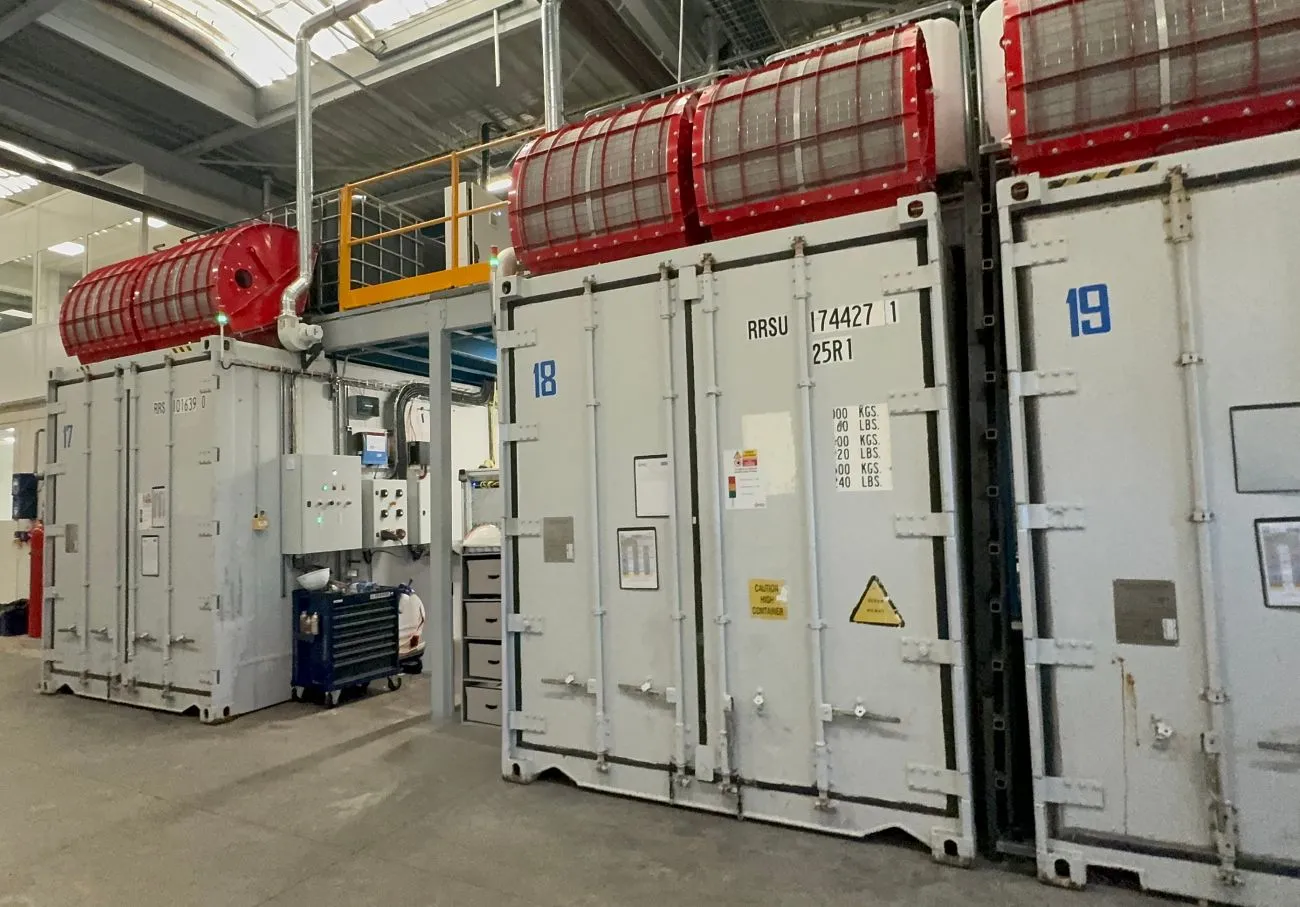
- Climatic chambers for altitude simulation and extreme temperature testing.
- Vibration and mechanical shock test rigs compliant with international standards.
- Thermal monitoring systems and leakage current measurement equipment.
Results analysis and monitoring
- Detailed reports for each test.
- Support for compliance and battery design optimisation.
- Guidance throughout the certification process.
Standards and regulations covered
Our UN 38.3 tests comply with the main international regulations:
- UN Manual of Tests and Criteria, Section 38.3.
- ADR (Road transport), IATA DGR (Air transport), IMDG Code (Sea transport).
- IEC 62281, ISO 12405 for lithium battery safety.
With Emitech Group, integrate UN 38.3 tests into your validation process
UN 38.3 tests help anticipate transport risks and ensure regulatory compliance. Our experts support you in:
- Analysing regulatory requirements specific to your sector.
- Implementing tests with configurations tailored to your products.
- Interpreting results and optimising designs for battery safety.
Related Services







Needs
Discover a selection of additional resources that explore topics related to this page including regulatory contexts, technical articles, and specific areas of expertise. These materials provide further insight to help you better understand the key challenges and available solutions.



Contact us for a quote
Need to ensure regulatory compliance and safety for your lithium batteries during transport? Contact our experts for a tailored solution.