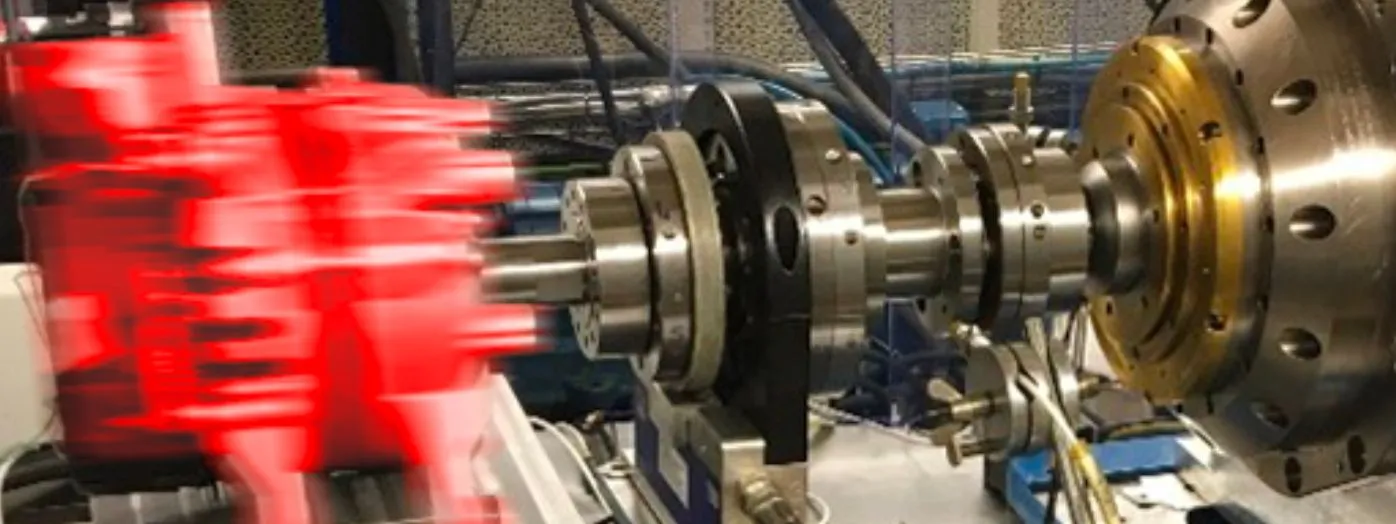
Endurance tests for electric motors
Validate the robustness and durability of your electric drives
The Emitech Group offers comprehensive endurance tests for electric motors, meeting the requirements of the automotive and aerospace sectors, as well as future mobility and even industrial applications. The aim of these tests is to assess long-term performance, anticipate potential failures and guarantee system reliability under representative or extreme operating conditions.
Ask for a quote
Why carry out electric motor endurance tests?
Endurance tests are used to :
- Test the motor's resistance over extended operating cycles.
- Check performance stability (torque, efficiency, temperature).
- Identify the phenomena of ageing, wear or electrical and mechanical degradation.
- Validate the design and sizing of the cooling system.
- Prepare for certification or series production.
What sectors are involved in these trials?

Electric and hybrid vehicles

Rail

Aerospace and defence

Energy and industrial applications
Our technical resources for endurance testing
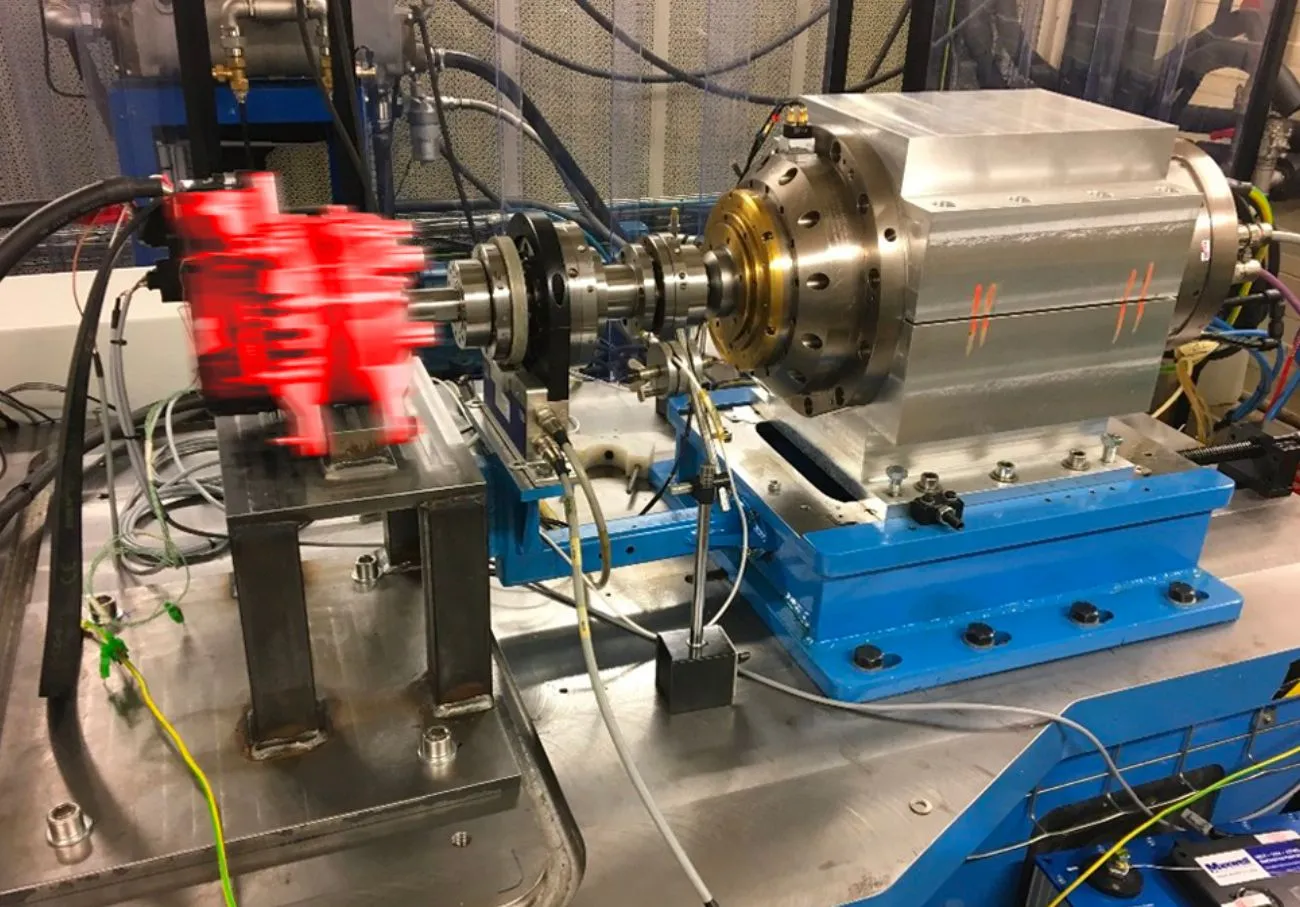
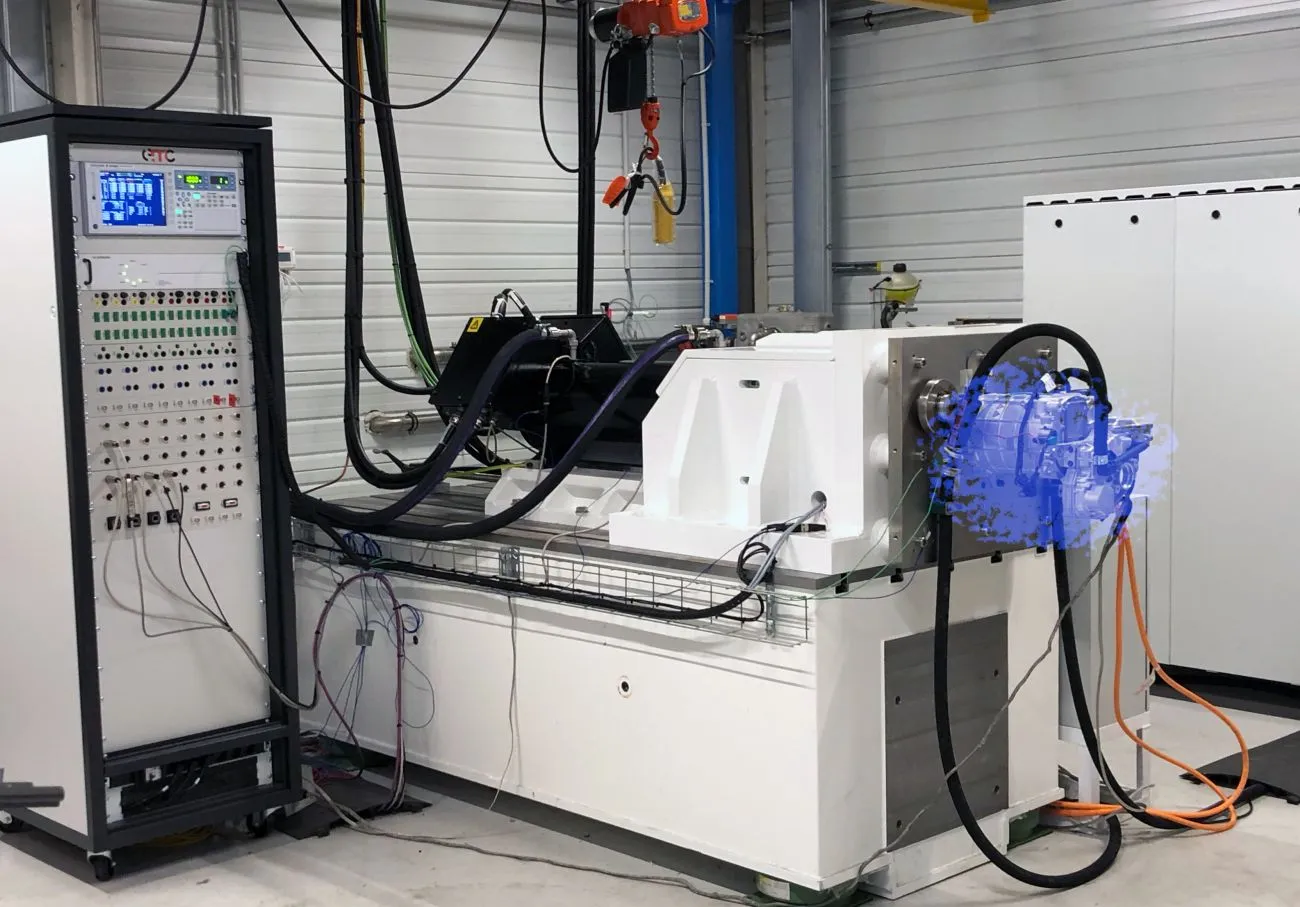
The Emitech Group has motorised and instrumented test benches for long-term endurance campaigns:
- Tests under constant or variable load.
- Programmed thermal and mechanical cycling.
- Continuous monitoring of physical quantities: current, voltage, temperature, speed, vibration.
- Operation for up to several thousand hours.
Simulatable test conditions
- Controlled ambient temperature (-30°C to +90°C).
- Dry, humid or air-conditioned environments.
- Simulation of repeated starts, load increases, stop & start cycles.
- Tests with air, liquid or mixed cooling.
What parameters are measured
- Changing motor efficiency.
- Heating of windings, magnets and sensors.
- Insulation resistance.
- Leakage currents.
- Mechanical vibration and noise.
Possible integrations
- Endurance tests can be combined with :
- Climatic tests (temperature, humidity).
- Vibration tests.
- Electrical tests (insulation, overvoltage, short-circuits).
- EMC tests.
Talk to our experts in electric motor endurance testing
Why choose the Emitech Group for your endurance tests?
- Test benches adaptable to all power ratings and engine configurations.
- Teams specialising in electric motors.
- Combined test resources for a global approach to reliability.
Needs
Discover a selection of additional resources that explore topics related to this page including regulatory contexts, technical articles, and specific areas of expertise. These materials provide further insight to help you better understand the key challenges and available solutions.

Contact us for a quote
Do you want to validate the long-term reliability of your electric motors? Contact our experts today to design an endurance test plan tailored to your technical and regulatory needs.
Contact our team of experts
Request a personalised quote