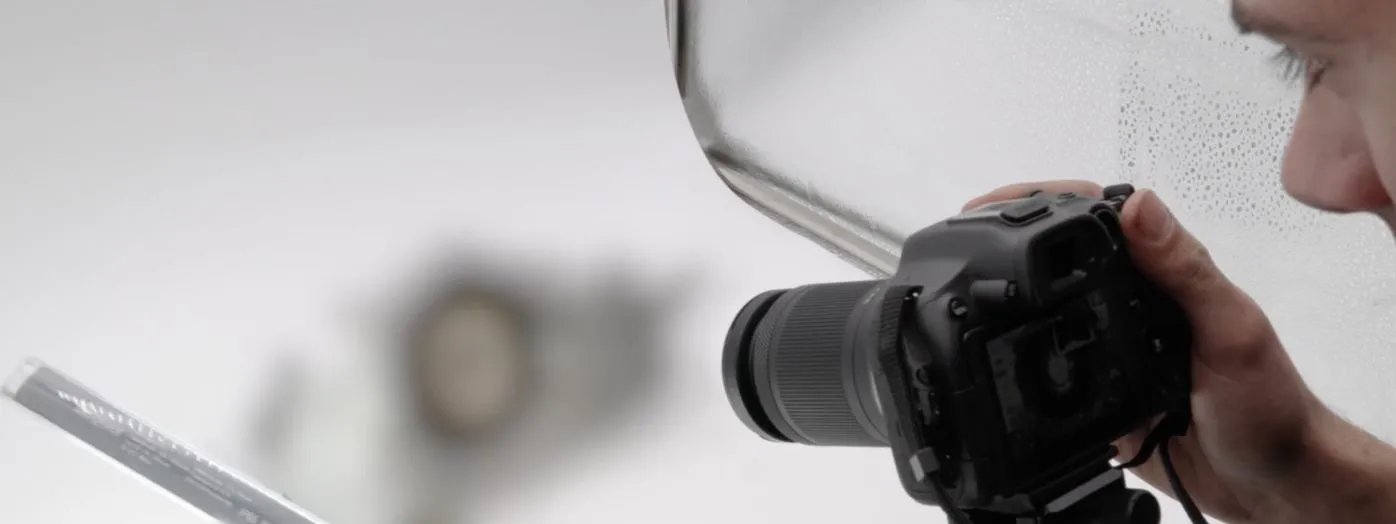
Internal combustion engine assessment following testing
A comprehensive post-test assessment based on a detailed analysis of the engine at the end of the test campaign
An engine test does not end when the test bench is switched off. Analysing what happened inside the engine during the test is often just as informative as the data recorded in real time. Wear on friction parts, combustion deposits, degradation of contact surfaces, fuel dilution in the oil: these are all physical and chemical indicators that tell the mechanical story of the test.
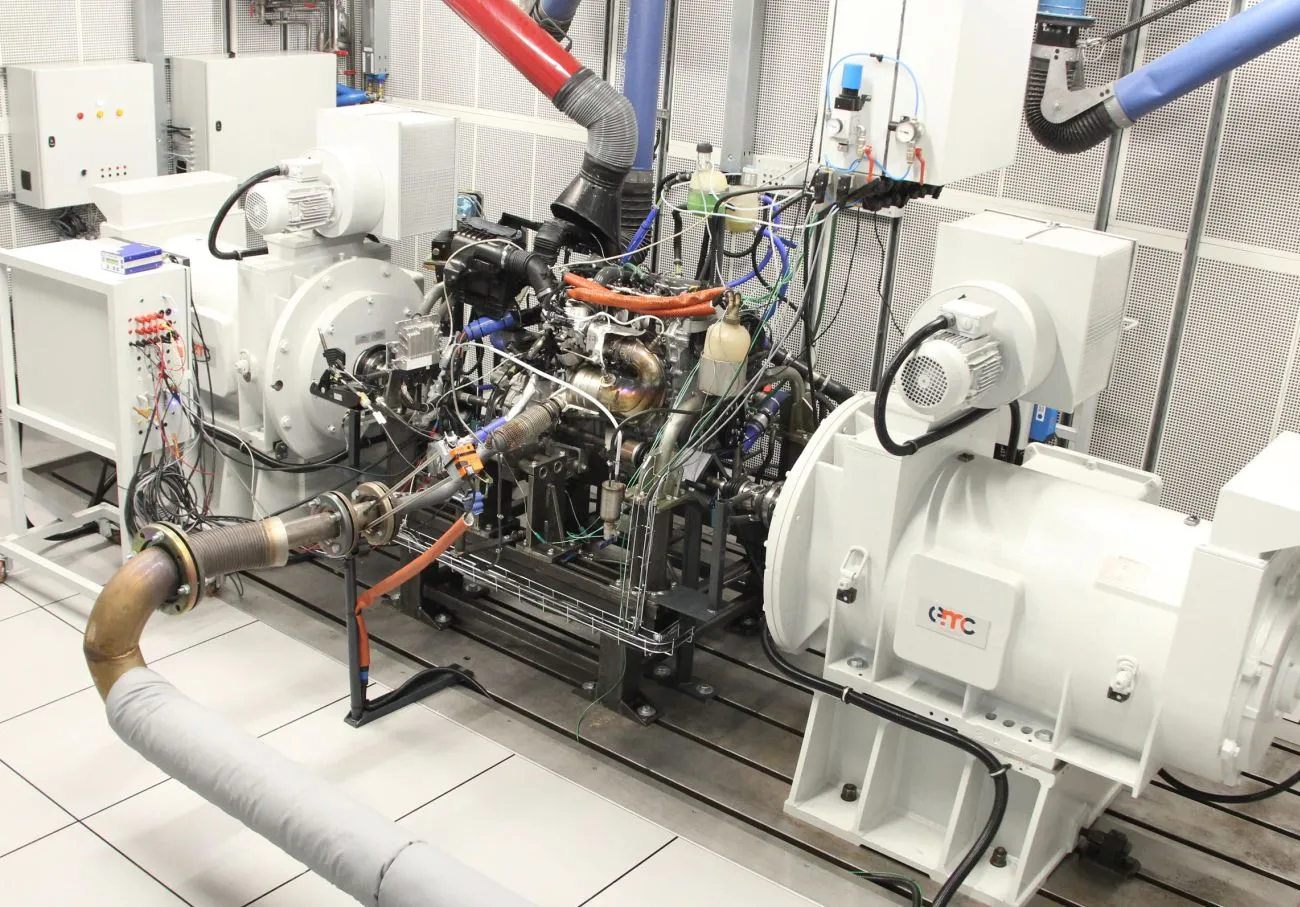
The Emitech Group offers a comprehensive post-test assessment service, ranging from monitoring during the ageing process to the dismantling and detailed analysis of the engine at the end of the test campaign.
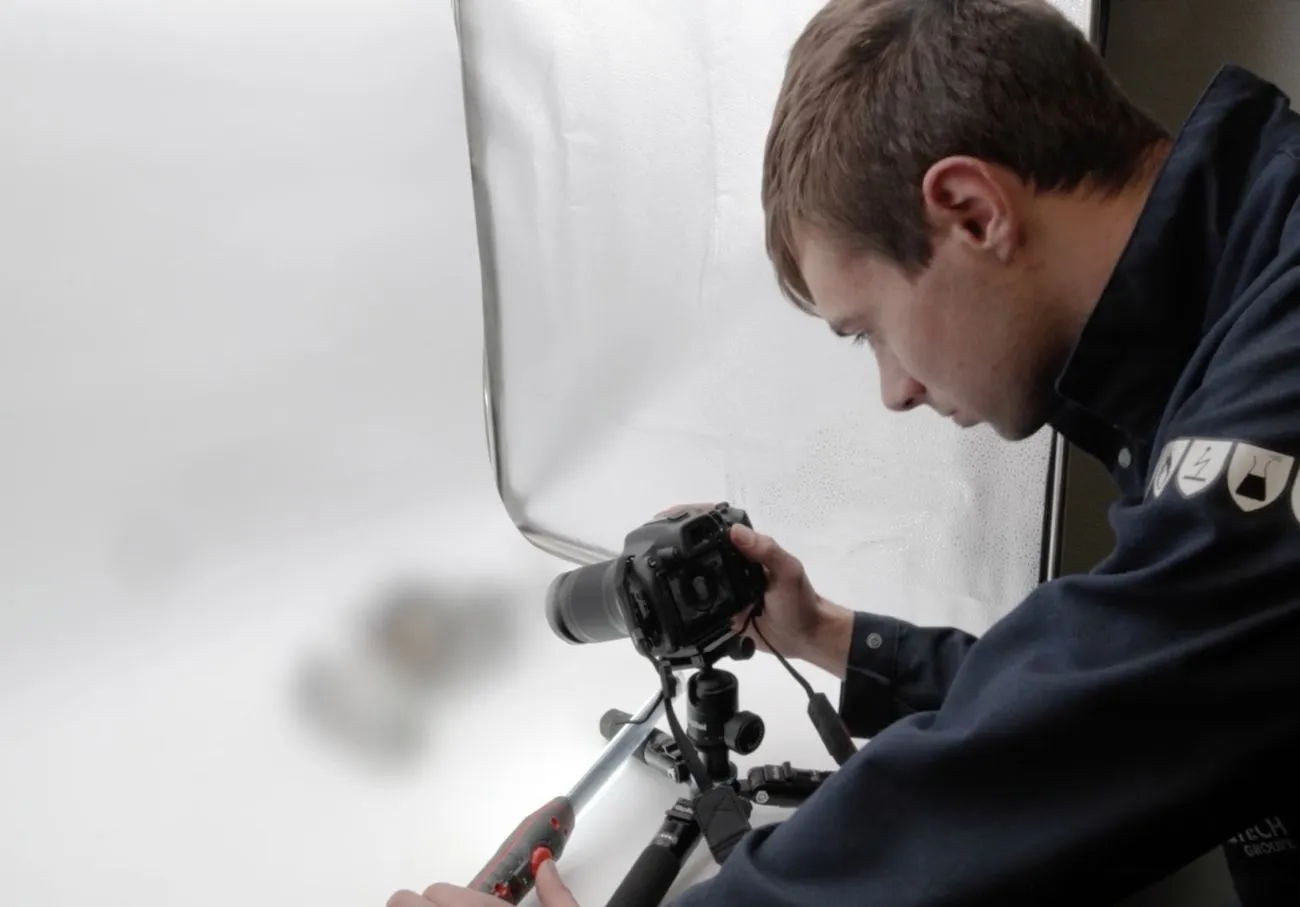
Our post-test expertise: two complementary perspectives
Our specialist engineers and technicians combine continuous chemical analysis during testing with in-depth mechanical expertise at the end of the test campaign. These two approaches, carried out by the same teams under one roof, complement each other to accurately reconstruct the engine’s mechanical history.
How the service works
Monitoring the oil during testing
During accelerated ageing tests — which can last up to 450 operating hours — oil samples are taken at set intervals and analysed in the laboratory:
- Metal particles (iron, copper, lead, aluminium, etc.): a direct indication of internal wear
- Kinematic viscosity and acidity (TAN/TBN): lubricant degradation
- Fuel dilution in the oil: sealing and combustion
- Water and soot content: abnormal operating conditions
This continuous monitoring enables any deviation to be detected before the end of the test and the protocol to be adjusted if necessary.
Talk to our experts
Dismantling and mechanical assessment
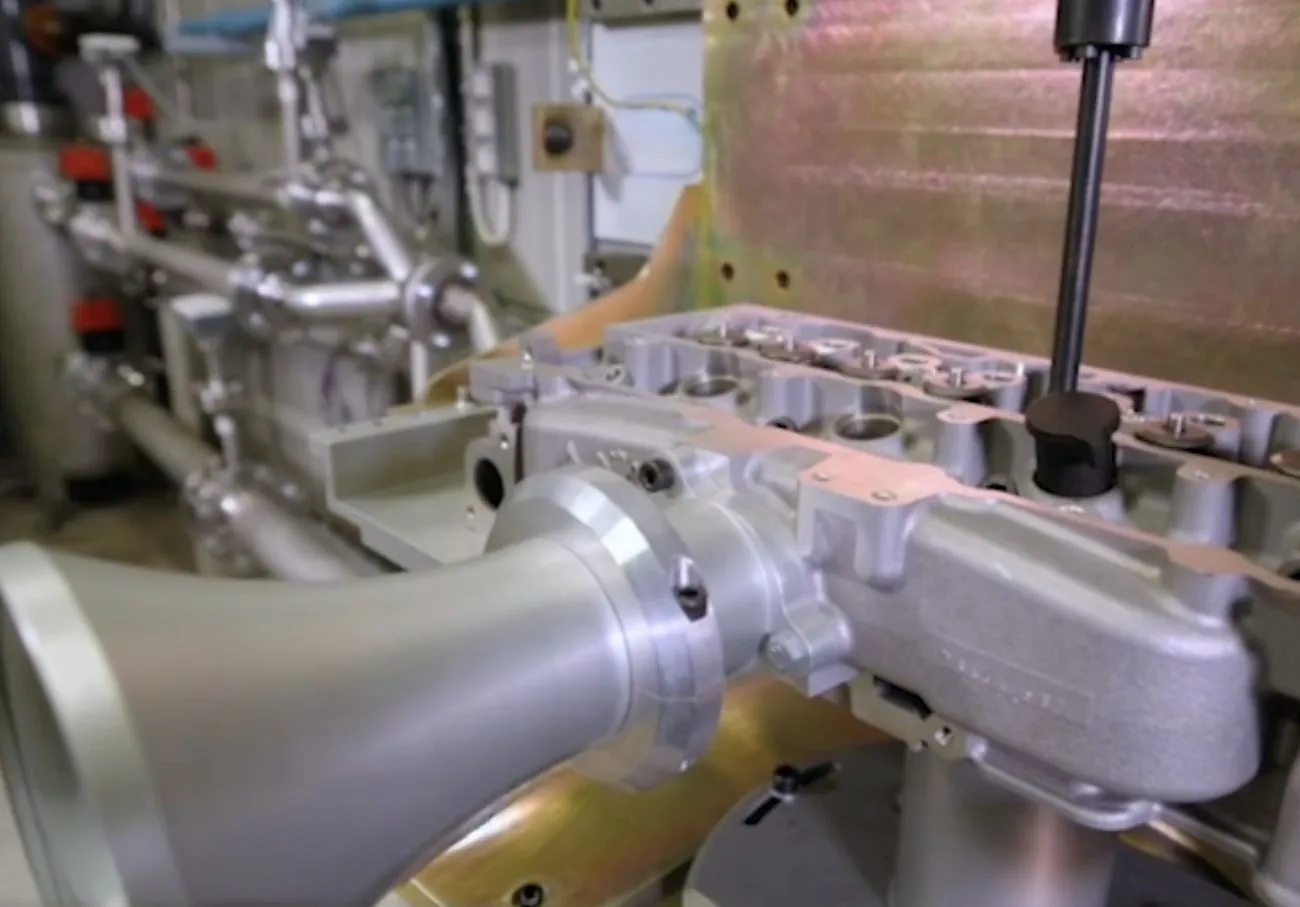
At the end of the test, the engine is completely dismantled in accordance with a documented procedure. Each sub-assembly is photographed before and after dismantling.
- Friction parts: piston rings, cylinder liners, connecting rod and crankshaft bearings, camshafts, tappets, valve guides and stems — measurement of radial and axial wear and residual clearances
- Deposits and fouling: carbon deposits on pistons and in combustion chambers, fouling of injectors, deposits on valves
- Surface inspections: surface roughness of contact surfaces, mapping of wear areas, detection of micro-cracks or thermal deformation
- Dimensional inspections: measurement against manufacturer’s tolerances
Full expert report
All observations — both chemical and physical — are summarised in a structured report ready for immediate use:
- Trends in oil analysis results over the duration of the test
- Illustrated dismantling report (photos, measurements)
- Diagnosis of the engine’s condition and assessment of wear
- Recommendations for further development or design modifications
Why choose the Emitech Group for your component testing?
- Continuum essai–analyse : les mêmes équipes conduisent l'essai et interprètent les résultats, sans rupture de contexte
- Expérience sur carburants alternatifs : hydrogène, ammoniac, carburant de synthèse, kérosène NATO
- Moyens d'essais et expertise sous le même toit : du banc moteur au laboratoire d'analyse
- Livrables exploitables : rapport détaillé avec illustrations, mesures et recommandations concrètes
Needs
Discover a selection of additional resources that explore topics related to this page including regulatory contexts, technical articles, and specific areas of expertise. These materials provide further insight to help you better understand the key challenges and available solutions.
Contact us for a quote
Would you like to have your combustion engine assessed following testing?
Contact our engineers to develop a solution tailored to your project.